

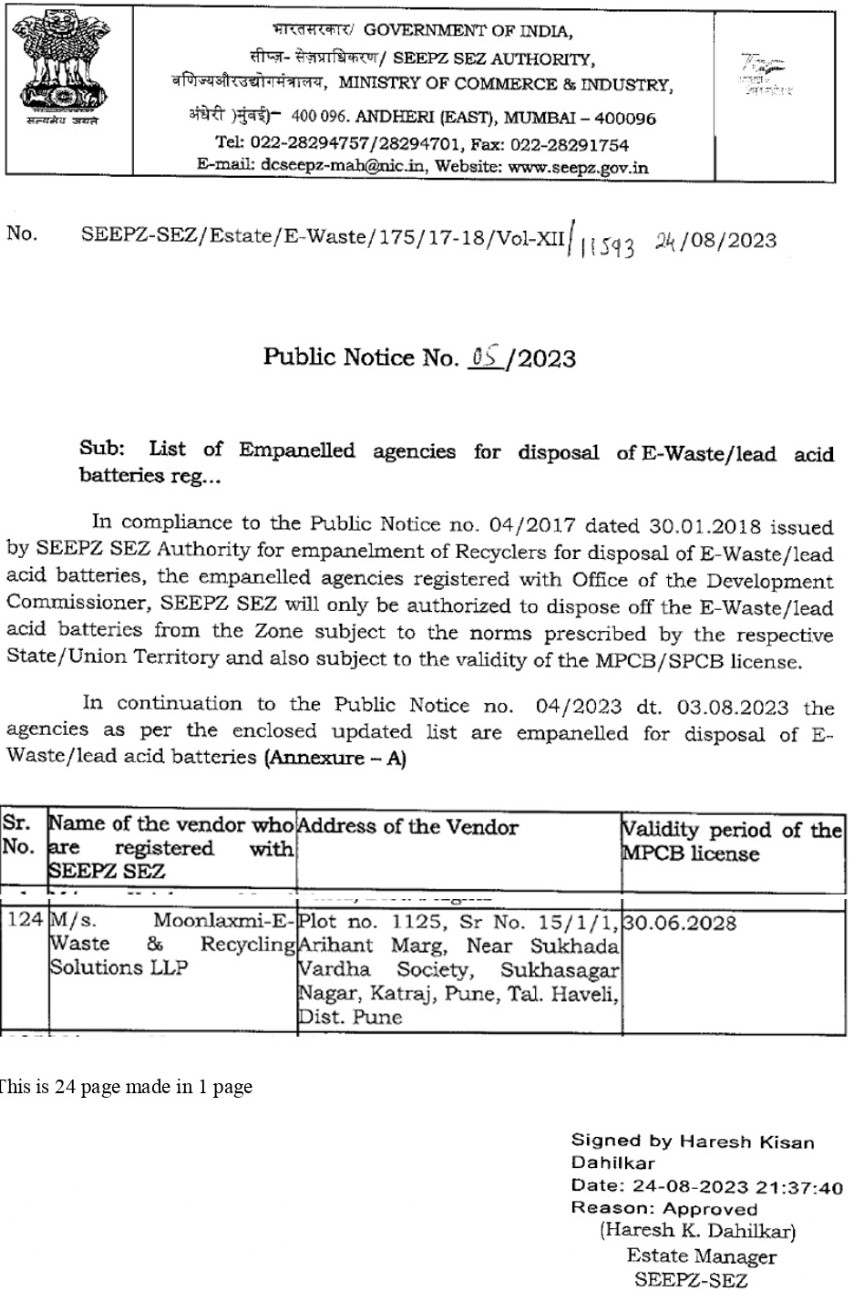
What is E-Waste?
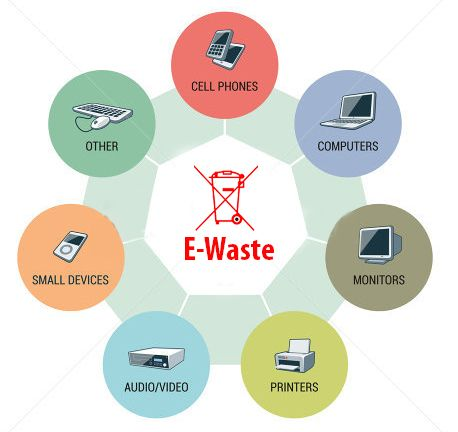
E-waste, short for electronic waste, refers to discarded or obsolete electronic devices, electrical equipment, and their components. It encompasses a wide range of electronic products that have reached the end of their useful life or are no longer needed.
SUSTAINABILITY
Overview

Sustainably without compromising Socio-Economic & Environmental aspects
We adopt a three-pronged approach to sustainability encompassing--environmental, social and economic responsibilities. Through environmental protection, social inclusion and economic progress, our sustainability initiatives meet societal needs. At the same time, we respect the environment while maintaining business growth.Sustainability in e-waste management is crucial to address the environmental and social challenges posed by the rapidly growing electronic waste (e-waste) stream.
Environment

Minimizing environmental impact while maximizing recovery
E-waste poses a serious environment hazard if it is not disposed of in a scientific manner. At Ecoreco, we are committed to ensuring the scientific disposal of e-waste. This enables a reduction in the environmental impact and drives responsible environmental stewardship. Towards this goal, we are committed to exploring new and innovative ways to reduce the ecological footprint of e-waste whilst maximizing its value recovery.
Social

E-waste is an opportunity also to drive social inclusion
We believe that e-waste management industry has the potential to uplift the standards of informal sector (Kabadies) rather than uprooting them from the system, ensure better health of Kabadies & their neighbours, education for their kids, better lives of their ladies if Kabadies decides to be a part of Ecoreco’s Vision & Mission of integration. Ecoreco has chalked out a plan of their training & better system of collection & dismantling which will help them to improve their income by integrating with Ecoreco’s Model of Social Upliftment.
Economic

Driving sustainability and profitability through reverse logistics
India generates about 3 million tons of e-waste annually. As per United Nations Environment Programme (UNEP) report this figure may go up by 5 times by 2020. At Ecoreco, we realize the enormity of this challenge. We are committed to making a difference, through organized solutions for e-waste management, asset recovery, data security and a pan-India reverse logistics chain.
CSR Assistance
CSR Assistance To Corporates
Enables corporates’ meeting their Environmental, Social and Corporate Governance (ESG) mandates. Ecoreco’s every single activity is a CSR in itself be it recycling of hazardous end of life electronic equipment, training of Kabadies, business opportunity to Kabadies by integrating in formal recycling system, donating refurbished systems to improve computer literacy etc. Inclusive growth and sustainability are at the core of our strategy.
Re-use

Driving Sustainability through Reuse
"Re-use" refers to the practice of using an item or product again for its original purpose or finding new applications for it, rather than discarding it after a single use. The concept of re-use is an essential element of sustainable waste management and is aimed at reducing waste generation, conserving resources, and minimizing environmental impacts. It also reduces the environmental burden of extracting and processing raw materials needed for new electronics.
Solution To Your E-Waste
If you meant to refer to "E-waste" (electronic waste), then the perfect solution to managing e-waste would involve a combination of responsible practices and strategies, including:
Reduce Consumption: Encourage responsible consumption of electronic devices, purchase only what is necessary, and choose products with longer lifespans and easier repairability.
Reuse and Refurbishment: Promote the re-use and refurbishment of electronics by extending their lifespan through repair and upgrading.
Recycling: Establish and support proper e-waste recycling infrastructure to recover valuable materials and reduce the environmental impact of disposal.
Extended Producer Responsibility (EPR): Hold electronic manufacturers responsible for the end-of-life management of their products and incentivize them to design products that are easier to recycle.
Public Awareness: Increase public awareness about the importance of responsible e-waste disposal and recycling through education and outreach campaigns.
Legislation and Regulation: Implement and enforce e-waste management laws and regulations to ensure compliance and prevent improper disposal.